
Age-related macular degeneration is a chronic eye disease that causes a slow yet painless loss of central vision. Usually affecting people age 50 and above, macular degeneration may make it difficult for them to do simple tasks like reading a book, telling the time or threading a needle because of blind spots in their vision.
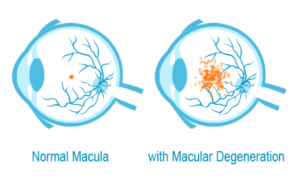
Macular degeneration occurs when the macula deteriorates. The macula is a part of the retina that is responsible for central vision and allows you to recognize colors and see fine details clearly. According to Asian Eye Retina and Vitreous Specialist Dr. Patricia Quilendrino, “Macular degeneration is characterized by either growths of new blood vessels in the retina (wet macular degeneration) or presence of yellow deposits in the macula called drusen (dry macular degeneration). These cause permanent damage to the retinal cells, creating the blind spots in the central vision.”
Macular degeneration cases show that it is more common in women and in people who have a family history of the disease. However, other factors like obesity, smoking, hypertension and having an unhealthy diet may put a person at risk of developing this disease.
At the onset, macular degeneration does not manifest any symptoms. “That is why it is important for patients to have their eyes checked annually,” Dr. Quilendrino emphasizes, “It does not cause total blindness, but once the patient loses his central vision, it is irreversible. Early detection is key to preserving the patient’s vision.”
At present, there is no cure to macular degeneration. However, treatments like injections and laser therapies are available to slow its progression.