(02) 8-898-2020

Low Vision And Visual Rehabilitation

Through our comprehensive low vision and visual rehabilitation solutions, we aim to improve the quality of life of people with different kinds of vision impairment.

Get Low Vision and Visual Rehabilitation Solutions
Here at Asian Eye Institute

At Asian Eye Institute, we understand how difficult life can be for individuals with low vision. This is why we offer comprehensive visual rehabilitation services with the help of our specialists. Our team is dedicated to helping you achieve optimal visual function and independence through personalized rehabilitation programs and training regimens.

What Happens During Low Vision and Visual Rehabilitation?

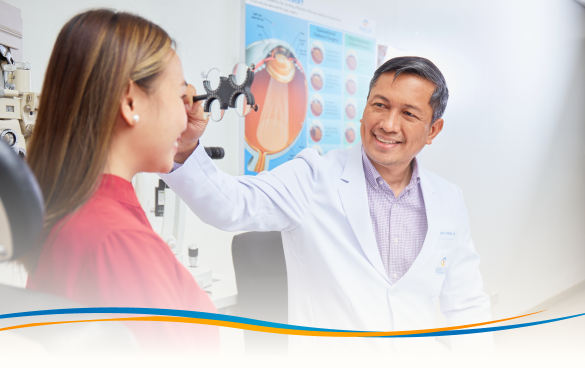
Our specialists will thoroughly assess your visual acuity, depth perception, and overall visual function. A special rehabilitation program will then be created based on the information gathered from the assessment. The program is continuous, and your progress will be closely monitored to ensure that your vision is constantly improving.

Who Can Get Low Vision and Visual Rehabilitation?

  • People With Age-Related Vision Loss – Individuals with age-related vision loss can undergo rehabilitation to maximize their remaining eyesight.
  • Patients With Certain Eye Diseases – Those with glaucoma, diabetic retinopathy, macular degeneration, retinitis pigmentosa, brain tumors, or amblyopia who cannot get eye surgery can try low vision rehabilitation instead.
  • Those With Traumatic Eye Injury – Visual rehabilitation is also an option for people who suffer from traumatic eye injury.

Other Topics That You Might Like

Orthoptic Training

Your visual abilities, including visual acuity, depth perception, and eye tracking, will first be evaluated comprehensively. Once complete, your optometrist will create a personalized training regimen to help you overcome specific visual challenges. The results and progress of the program will be closely monitored to track your improvements properly.
Myopia Control

Slowing down the progression of nearsightedness is usually done by asking child patients to wear specialized glasses or contact lenses. Low-dose atropine eye drops are sometimes used if proven to not lead to side effects. Eye care specialists may also recommend lifestyle changes, like reducing screentime or spending more time outside.

Orthokeratology

You will first undergo eligibility tests to determine your suitability for ortho-k lenses. The lenses will be designed and custom-fitted for you, and you must wear them overnight as you sleep. You should remove them upon waking up to enjoy the day without your prescription lenses.

Set an In-Person Appointment

Book a Teleconsultation

Find Our Clinics

Privacy Policy

Asian Eye Institute Inc., including its affiliates and subsidiaries place a premium on the confidentiality of personal data.
Please read the Asian Eye Institute Privacy Policy to understand how Asian Eye uses and protects your cookies and personal data in accordance with the Data Privacy Act of 2012, its Implementing Rules and Regulations, other issuance of National Privacy Commission, and other relevant laws of the Philippines.
By continued use, you accept our use of cookies and agree to our privacy policy.