Published on: January 7, 2022
Let’s start the year right by making your eye health a priority.
When our vision gets blurry, the first thing we think about is to get a pair of eyeglasses. While there’s really nothing wrong with it, it’s also important to know that a change in prescription or eye grade may not always be the culprit.
There are potentially blinding eye conditions with blurry vision as one of its warning signs or symptoms. Among these are cataracts (the natural lens of the eye gets cloudy), glaucoma (the abnormally high eye pressure damages the optic nerve), or problems in the retina (the back part of the eye that sends images to the brain). So blurry vision or not, comprehensive eye exams should be a part of your commitment to your overall health.
What exactly is a comprehensive eye exam and why do we need it?
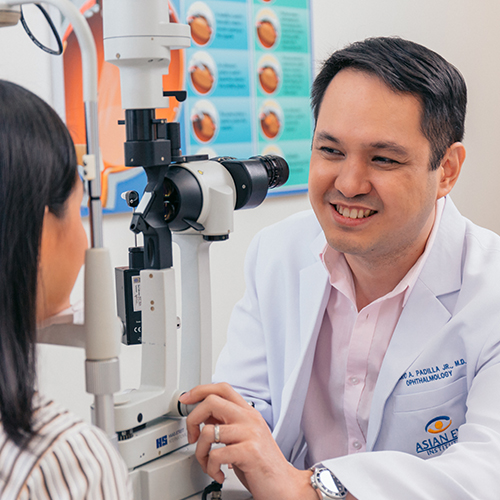
According to Asian Eye Institute Cornea and Refractive Specialist Dr. Mario Padilla, comprehensive eye exams are done to evaluate the overall condition of the eyes. “When our patients come to the clinic, we first measure their eye grade. As much as possible, we want them to be comfortable with their vision. Through this step, we’re able to see if there are any changes in their prescription and if they need to get new eyeglasses.”
“We then look at the front and back parts of their eyes through a slit lamp test,” he added. “This helps us detect any abnormalities or early signs of eye conditions. In some cases, we also recommend them to undergo other tests. The goal is to avoid preventable blindness. Detecting eye conditions at the early stage is vital because that is when they are most treatable.”
Kids also need to undergo comprehensive eye exams
Kids need clear and healthy vision because 80% of what they learn is through the sense of sight. But they don’t necessarily know what normal vision looks like. Dr. Padilla explained, “They don’t have anything or anyone to compare it with, so they think that whatever vision they have is normal and won’t usually complain about it. By getting their eyes checked, we can prevent eye problems that may delay or affect their learning and development.”
Kids should get their eyes examined by their pediatric eye doctor at 6 months, at age 3 and before they start going to school. If they do not have any eye problems, they may be checked every two years. “Parents have to take note that kids will have to go more frequently if they have a history of premature birth or low birth weight, have developmental delay/s, have turned or crossed eyes (strabismus), and have high refractive error.”
Comprehensive eye exams must be done yearly
Adult patients are advised to have their eyes checked every year. He shared, “We recommend this especially to patients over 40 years old because this when some eye conditions are likely to start; those who have a family member with eye problems like cataract and glaucoma, since these can run in families; those with diabetes or high blood pressure, have had an eye injury or surgery, and are wearing eyeglasses or contact lenses.”
Remember, having good vision is more than just seeing clearly. So make sure to pay your ophthalmologist a visit at least once a year. Do you want to schedule an appointment with your Asian Eye doctor? Call us at 8-898-2020 or 0918-898-2020. You may also send us an email via [email protected] or via our Facebook Page.
__
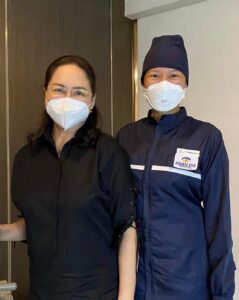
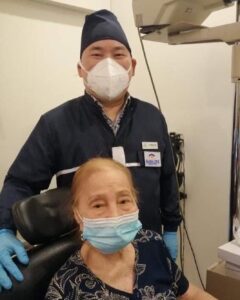
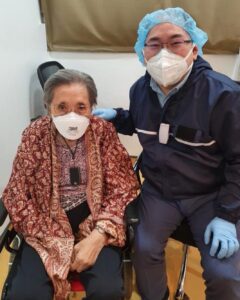
Recently, award-winning actress Ms. Charo Santos and two amazing centenarians, Ms. Demetria Aquino and Ms. Lim Chen, visited Asian Eye Institute as part of their yearly wellness check. Click the photos to learn more about their visit: