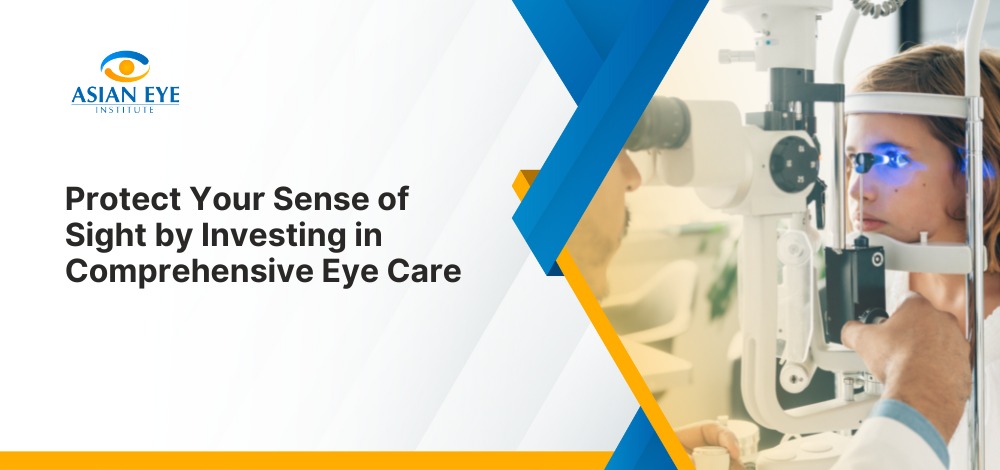
The human eye is a complex organ that requires proper care and protection. It has a number of structures that are essential for you to see, such as the cornea, lens, retina, and optic nerve. When these parts of your body are not properly cared for, they can deteriorate, leading to severe vision problems and, in some cases, even blindness.
At Asian Eye Institute, we offer a wide range of services, starting with comprehensive eye exams to assess overall eye health and diagnose eye conditions, such as cataracts, glaucoma, diabetic retinopathy, and age-related macular degeneration. Our highly skilled and experienced ophthalmologists, optometrists, and medical staff are all dedicated to providing compassionate care for every patient who visits us.
Over our years of service, we have become one of the country’s best eye care providers. We are also part of two international associations: the ASEAN Association of Eye Hospitals (AAEH) and the World Association of Eye Hospitals (WAEH). Feel free to visit any of our clinics located at Rockwell Center Makati, Trinoma, Mall of Asia, and Commercenter Alabang. We also have the Asian Eye Vision Center at the Powerplant Mall, Makati.
When people experience blurry vision, their first instinct is to get their eyes checked. Aside from searching “Where can I get an eye exam near me?” online, they also wonder how eye exams are done.
Eye exams evaluate your overall eye condition. During these processes, expect your doctor to ask about your present eye problems and past medical history. They will also measure your eye grade and assess the front and back parts of your eyes to check if there are any irregularities.
Scheduling comprehensive eye exams helps parents become more proactive about their child’s eye health. These eye exams allow doctors to spot and treat any problems that may affect the child’s learning and development. It is also important to note that vision screenings are different from comprehensive eye exams. Vision screenings are basic eye tests that only check if your child has vision problems and not eye diseases, so these can never replace comprehensive eye exams.
Furthermore, pediatric eye doctors usually recommend children get their eyes screened as soon as they are born. Comprehensive eye exams should start as early as age 3. Some parents also schedule one for their children before they start school.
If your child does not have an eye problem, they can have their check ups every two years. However, they should get checked more frequently (or depending on the recommendation of their pediatric eye doctor) if they are cross-eyed, were born prematurely, have developmental delays or high refractive errors, or are wearing eyeglasses or contact lenses.
Just as they are important for children, comprehensive eye exams are also vital for adults. How often you visit your doctor depends on your age, current eye condition, and family background. Those below 40 years old and have no vision problems can get routine tests every two years.
However, you must get checked annually if you are older than 40 and at risk of developing eye conditions. Most conditions, like glaucoma, cataract, and age-related macular degeneration, have no early warning signs.
More than 50% of vision loss is preventable when detected early. This is why comprehensive eye exams are vital. During your visit, your eye doctor will explain your eye condition and alert you if there are any irregularities you need to be concerned about. You will also be advised if there are any changes in your eye grade and if you need to update your eyeglass lenses.
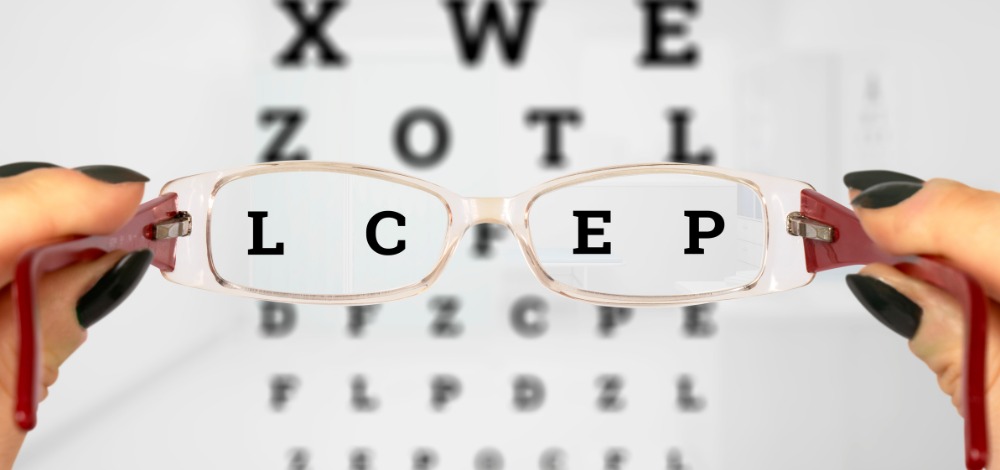
Many people do not think of their health until they start feeling some level of discomfort. However, getting an annual comprehensive eye exam is essential, even if you do not experience any symptoms. Here are some things you should prepare for your regular examinations with your eye doctor:
For those who have contact lenses or glasses, make sure to bring them to your appointment. Your doctor will make sure that the prescription you have now is the best one for you.
If it has been determined that your eye grade changed since your last check up, you may be prescribed a new pair of spectacles to wear. If your eye grade has increased and you no longer want to use eyewear, various treatments are now available to restore your vision.
Although they specialize in one specific organ, there are different eye doctors in the medical field. Optometrists prescribe eyeglasses, contact lenses, low vision aids, and vision therapy. Furthermore, they can diagnose vision problems but are not trained to perform eye surgeries.
Ophthalmologists, meanwhile, receive further training. They are equipped with the knowledge and skills to prescribe eyeglasses and contact lenses and diagnose and treat different eye conditions through various treatments and surgical procedures. Some ophthalmologists also conduct research and clinical trials.
Lastly, it is a good idea to bring a pair of sunglasses to wear after your exam and a companion who can take you home. In some cases, your doctor may recommend dilating your eyes, so you may experience glare, light sensitivity, or blurred vision for several hours. Although the effect is temporary, this will help ensure your safety and comfort after your check up.
When getting a comprehensive eye exam, it is important to consider the cost of the eye exam and doctor’s fees. Here are other factors that may affect your total bill after a visit to your eye doctor:
There are different health insurance policies available. If you have one, you may have a monthly or yearly fee for an insurance company to cover your medical expenses. PhilHealth is the most common but does not cover comprehensive eye exams. It may, however, cover selected diagnostic tests and eye surgeries.
There may be differences in the costs of eye exams based on whether you access health care in urban or rural areas. It can also be affected by the availability of advanced equipment, tests, or treatments in your area.
Your current eye condition may affect the cost of your check up. Your eye doctor may recommend additional diagnostic tests that may be needed to confirm or rule out eye conditions. They may also prescribe medications, treatments, or other devices that may help improve your vision.
Whether you are getting an eye check up because you are feeling some discomfort or you want to ensure that your eyes are in excellent condition, Asian Eye has clinics in the following locations:
This is a store where optometrists perform basic eye tests and offer eyewear products. They can be found in various commercial establishments.
Aside from offering eyewear and doing medical assessments, ophthalmologists conduct complex surgeries and perform comprehensive exams in these locations.
Optical shops typically offer basic eye tests, including refraction or eye grade measurement. In case the optometrist notices any irregularities, they recommend you to an eye clinic or hospital for further assessment. Optical shops also offer a variety of eyewear products like glasses, contact lenses, and sunglasses.
Usually staffed with ophthalmologists and optometrists, eye centers have a range of services, which include eye exams and diagnostic tests. Some may offer optical products like prescription eyeglasses and contact lenses. Additionally, some eye centers provide surgical procedures.
Some hospitals have their own eye centers where they offer eye exams, diagnostic tests, and surgeries. They may also provide optical products like eyeglasses and contact lenses.
At Asian Eye Institute, we offer a full range of specialized medical services, including treatment and management of eye conditions like cataract, glaucoma, and retinal problems; LASIK; low vision and visual rehabilitation; eye plastic and reconstructive surgery; and ocular genetics. We also have an optical shop for your eyewear needs. Feel free to schedule an appointment at any of our clinics today.