
(02) 8-898-2020
Published on: November 12, 2021
Diabetes is one of the most prevalent chronic diseases in the world. Based on the 2020 data of the International Diabetes Federation (IDF), there were over 3,993,300 cases of diabetes in adults in the Philippines in 2017.
Diabetes results in raised blood sugar. Over time, it can lead to serious complications, such as stroke, heart attack, or kidney failure. Diabetes can also damage the eye. The most common diabetes-related eye disease is diabetic retinopathy.
“Diabetic retinopathy happens when you have elevated and poorly controlled blood sugar,” explains Asian Eye Institute Retina and Vitreous Disease Specialist Dr. Amadeo Veloso, Jr., “The blood vessels in the retina get blocked, so the blood supply is cut off.”
The retina is the back part of the eye that senses light and sends images to the brain. To function, it needs a continuous supply of blood. “Without the blood supply, the eye attempts to grow new blood vessels that are weak and leak easily. This is when patients start to experience eye problems,” he adds.
Usually affecting both eyes, many patients do not know they have diabetic retinopathy until symptoms arise. These include seeing dark strings floating across vision (floaters), blurred vision, poor night vision or inability to see colors. Left untreated, it can lead to visual impairment or blindness.
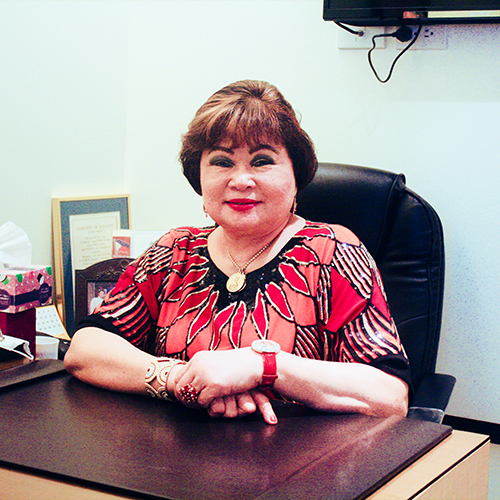
Mrs. Violeta Villareal suffered from sudden blurring of vision. “Six years ago, I felt changes in my vision. Sometimes, my vision was blurry. Other times, I saw floaters and colors seemed faded. It was really hard to do things at home, read and write, and drive, especially at night.”
Diabetes runs in her family – from her grandparents to her siblings. She recalls, “I was 42 when I learned I was diabetic. I felt dizzy and got tired easily. I lost weight, and I felt hungry or thirsty even when I just ate. Being married to a doctor, he knew something was wrong. He then decided to take me to an executive checkup.” Mrs. Villareal was referring to her husband, Dr. Hermogenes Villareal, a renowned dentist.
She figured she would only feel those symptoms whenever her blood sugar is up. “I felt the need to always get my eyeglass lenses changed. Then I was recommended by a good friend to Asian Eye. When I went for a checkup, I was diagnosed with diabetic retinopathy and recommended for a laser surgery.”
Treatments available do not cure diabetic retinopathy, but they help delay its progression and prevent permanent blindness. “The treatment that will be done depends on the extent of patient’s eye condition. They may undergo laser surgery, injection therapy or vitrectomy,” says Dr. Veloso, “In Mrs. Villareal’s case, we did laser surgery to shrink abnormal new vessels.”
“Dr. Veloso managed to protect my eyes from possible blindness,” shares Mrs. Villareal, “Can you imagine? I received 400 laser shots for each eye. But he was so good that I did not feel a thing! I even got back to doing normal activities a few days after surgery. My vision is now clearer. I only wear reading glasses.”
Dr. Veloso emphasizes that maintaining a healthy lifestyle is the best way to keep patients from going blind and other complications of diabetes. “Prevention is better than cure, so make it a habit to control your blood sugar, blood pressure, and cholesterol levels; eat healthy; exercise regularly; and avoid smoking.”
“I agree with Dr. Veloso,” she says, “This experience made me realize how hard it is to have an eye problem. That is why I have been keeping good control of my diabetes – I take my medicine and insulin on time, maintain a healthy diet, avoid eating too much sweets and exercise regularly. Most importantly, I see my endocrinologist and Dr. Veloso regularly. I work closely with them to make sure that my blood sugar is normal and that my eyes are healthy.”
“A comprehensive eye exam every six months is also a must for diabetics,” he says. “It is important to check the retina of the patient, so we can determine if the patient’s vision has been affected by diabetes and what treatment can be done to prevent complications like retinal detachment, glaucoma, or blindness.”
“Patients who are not diabetics should also get their eyes checked even before they notice any changes in their vision.”
We deliver to all our patients the highest quality eye care on a par with the best in the world. We make high-quality eye care available and accessible to the Filipinos. We advance the science and practice of ophthalmology and optometry in Asia and the Pacific Rim.
HELPFUL LINKS
CONTACT US
0917-181-2020 /
0917-191-2020
(02) 8-898-2020
Monday – Friday
8:00 A.M to 5:00 P.M