(02) 8-898-2020

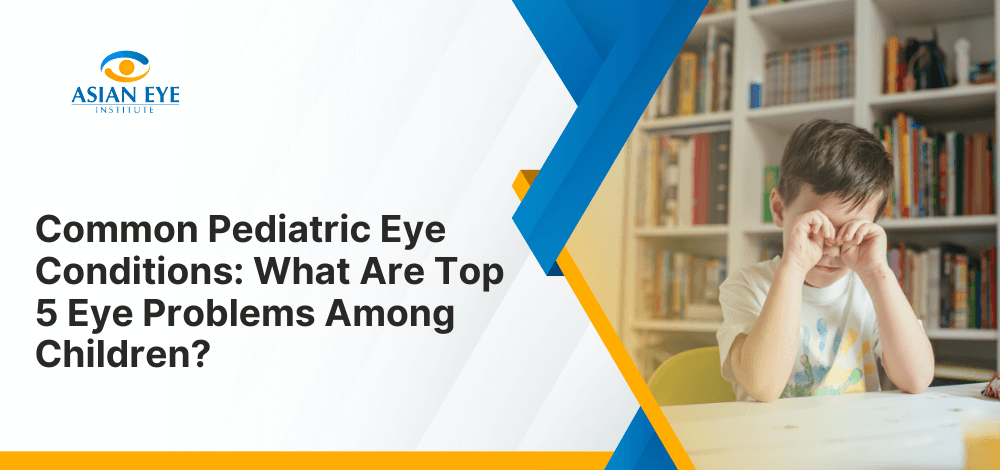
Common Pediatric Eye Conditions: What Are Top 5 Eye Problems Among Children?

Introduction 

Many eye problems can affect the vision of children as they grow, so parents must be observant of any signs of eye conditions that children might exhibit. Early detection or diagnosis is crucial to ensure that the right treatment is done with the help of pediatric ophthalmologists.


Common
Eye Conditions Among Children 

There are different eye problems that children can develop. They can affect how the eyes look, how they function, and how clear the child’s vision is.


Refractive Errors 

It is normal for young children to have a low degree of refractive error, but they do not necessarily need to wear glasses because their vision can change rapidly as they grow. However, if the changes in vision make it difficult for the child to perform daily activities, like reading the blackboard in school or playing sports, your child may need corrective lenses for vision improvement.

There are different types of refractive errors, and the most common ones that affect children are:

  • Astigmatism – This condition is characterized by blurry vision at distance and near. It is usually caused by an irregularly shaped cornea or lens.


  • Nearsightedness – Also called myopia, nearsightedness can make faraway objects seem blurry. It usually happens when the child’s eyeball is longer than usual.


  • Farsightedness – This is also called hyperopia, and it is caused by an eyeball that is shorter than usual. It is usually found in very young children. Low degrees of farsightedness in children usually do not require glasses because the autofocusing (accommodation) in children is quite strong.


Most children think that whatever vision they currently have is normal, so it is important for parents to look for warning signs like squinting and frequent headaches. It is also important to note if the child’s eyes turn inward or outward. If you notice your son or daughter experiencing any of these, bring them to the nearest eye clinic. The only way to get a proper diagnosis is through an eye exam facilitated by a pediatric optometrist or ophthalmologist.

Children with refractive errors can get prescription lenses (eyeglasses or contact lenses) to help correct their vision. Orthokeratology or ortho-k is an option, too, and it involves wearing special contact lenses at night during sleep to temporarily alter the shape of the cornea. In the morning, they can see clearly without having to use their glasses or contact lenses.

Once kids reach 18 years old and have stable eye grade (refraction), they may be qualified to undergo surgery, which is a more permanent form of treatment. Laser-assisted in situ keratomileusis (LASIK), photorefractive keratectomy (PRK), transepithelial photorefractive keratectomy (TPRK), or implantable collamer lenses (ICL) surgery are viable options for those who no longer want to wear glasses or contact lenses.


Pink Eye 

The clinical name for this condition is conjunctivitis, and it is characterized by the inflammation of the conjunctiva, which is the transparent membrane on a person’s eyelid and eyeball. The blood vessels in the conjunctiva can become swollen and visible, making the white part of the eye turn reddish or pinkish, thus the term “pink eye.”

Conjunctivitis can happen to anyone, but it is quite common among children and babies. It is typically caused by a bacterial or viral infection or an allergic reaction to certain stimulants. For newborn babies, pink eye can happen if their tear ducts are blocked, so visiting a pediatric ophthalmologist is crucial to prevent the problem from getting worse.

In many cases, vision may not be affected by conjunctivitis that is caused by infection or allergic reaction. However, it can still irritate the eye and cause an itchy feeling or a foreign body sensation. Seeking professional help is still advisable to prevent the spread of the infection to members of the same household.

Treatment for pink eye depends on its cause. Viral conjunctivitis may require antiviral medication prescribed by an eye doctor. For bacterial conjunctivitis, antibacterial eye drops or ointments might be necessary, depending on the doctor’s prescription. Treating pink eye caused by allergies might entail taking an antihistamine in the form of eye drops.


Binocular Vision Dysfunction 

Binocular vision dysfunction (BVD) is characterized by misaligned eyes that cannot work together to send a single image to the brain. When the eyes do not work together, it may lead to headaches, blurry vision, and balance problems, symptoms that can significantly impact the child’s daily life.

If your child exhibits symptoms of BVD, set an appointment with a pediatric eye doctor immediately. There are a few ways to treat this condition, including wearing prism lenses and undergoing vision therapy.


Amblyopia 

Amblyopia is a fairly common eye condition that can affect children. It is also known as “lazy eye.” In many cases, it happens when one of the eyes is stronger than the other. Over time, the brain will rely on the images sent by the preferred eye, so vision in the other eye gets weaker until the brain completely ignores any visual information coming from that eye.

Early diagnosis is crucial for the condition to be treated. If you think your child has amblyopia, bring them to an ophthalmologist for early and appropriate treatment. Amblyopia can cause impaired depth perception and other permanent vision problems if left untreated.


Strabismus 

This condition is characterized by misaligned eyes, causing one or both eyes to deviate or turn in different directions. It is typically caused by a problem in the muscles that control eye movement. In some cases, it results from other problems, such as uncorrected refractive errors, cerebral palsy, down syndrome, or a brain tumor.

Strabismus becomes noticeable at an early age, sometimes even during infancy. A visit to the doctor is recommended if you notice your kid exhibiting signs of strabismus. Without the help of professionals, your child might experience headaches, double vision, and lack of depth perception as they grow.


Find a Pediatric Ophthalmologist Near You 

Apart from the ones listed above, many other eye conditions can affect children. If you think your son or daughter may have one, bring them to a pediatric eye doctor right away. Early detection of eye problems is crucial to manage their condition.

You can find trusted pediatric ophthalmologists at Asian Eye Institute. Our eye care facility can cater to your child’s needs through specialists who use modern equipment to properly diagnose their condition.

Asian Eye Institute has several locations in Metro Manila. Simply find the branch closest to you and schedule an appointment by filling out our online form. Our customer communications team will be more than happy to assist you with your concerns.


Conclusion 

A proper diagnosis is necessary for your child to get the right treatment for their eye condition. This is why it is crucial for you to bring them to a trusted eye center that can cater to their specific needs. Asian Eye Institute is here to help.

We have experienced pediatric ophthalmologists and a pediatric optometrist who can diagnose your child’s eye problem and provide you with options on how it can be treated or managed. All you have to do is schedule a consultation with us.

For questions about our eye care services, do not hesitate to send us a message today.

Other Topics That You Might Like

Asian Eye’s Dr. Robert Ang Wins Gold Medal at Cataract Olympics

At the recent American Society of Cataract and Refractive Surgery (ASCRS) Annual Meeting on April 8, 2024, Dr. Robert Ang of Asian Eye was awarded a prestigious Gold medal in the Cataract Olympics for his video presentation titled “Cataract Technology Hurdles.”  

Held in Boston, Massachusetts, USA from April 05 to 08, 2024, the annual meeting featured the participation of outstanding ophthalmologists and eye care professionals from across the globe. The Cataract Olympics symposium provided a platform for teams from leading organizations such as ASCRS, APACRS, ESCRS, and LASCRS to showcase their expertise and compete in various cataract categories making Dr. Ang’s achievement even more remarkable.

Dr. Ang’s award-winning video focused on the critical aspect of astigmatism correction during cataract surgery and offered valuable insights into using Toric (astigmatism) IOLs. His impressive win coincides with Cataract Awareness Month this June, a time dedicated to raising awareness about cataracts and educating the public about available treatment options.

This video competition not only showcases the expertise and skills of specialists like Dr. Ang but also provides a platform for sharing knowledge and exchanging ideas with doctors worldwide regarding new technologies and surgical techniques. By leveraging the power of visual media, these educational resources help advance the field of cataract surgery and benefit patients globally.

Cataracts are an age-related eye condition, where the normally clear lens of the eye becomes cloudy. Sometimes, it feels like looking at a fogged-up glass. If not treated, it can lead to blindness. Fortunately, surgery can be done to remove it. The ophthalmologist will remove the lens with cataract and replace it with an IOL. There are different kinds of IOLs available, all designed to improve vision. 

Asian Eye takes great pride in the exceptional skills and expertise of their esteemed medical team, exemplified by the contributions of Dr. Robert Ang. Dedicated to providing patients with the highest standard of care, patients can have peace of mind when it comes to cataract surgery and other vision-related procedures at Asian Eye. 

For more information about Dr. Robert Ang and the advanced ophthalmological services offered at Asian Eye, please visit www.asianeyeinstitute.com.

Cataract Awareness Month: Reclaim Your Freedom, Restore Your Sight

June is Cataract Awareness Month, and as a leading eye center in the Philippines, Asian Eye aims to celebrate and raise awareness about the importance of cataract screenings and drive more individuals to seek timely treatment for cataracts. Cataracts are a common concern among older Filipinos and one of the major causes of visual impairment. According to the Philippine Eye Research Institute, there are 1.18 million people suffering from cataracts, with roughly 400,000 needing surgery.

Cataracts are the clouding of the eye’s natural lens, which can lead to symptoms such as blurry vision, difficulty seeing at night, and increased sensitivity to glare. It can lead to blindness if left untreated, so it’s essential to have them removed when they begin to interfere with your daily activities, such as driving, watching TV, or cooking.

Cataract surgery is a common procedure that involves removing the cloudy natural lens and replacing it with an artificial intraocular lens. Laser cataract surgery offers several advantages over traditional surgery, and Asian Eye is proud to offer patients with cutting-edge solutions for their eye care needs.

Asian Eye utilizes VICTUS Femtolaser technology from the renowned German brand Bausch + Lomb. This advanced technology is able to break up and remove the cloudy lens using significantly less energy, minimizing the risk of damage to surrounding tissues and promoting quicker healing.

Regular visits to your eye doctor are paramount, as they can advise you on the timing of the surgery and explain the benefits and risks involved. If you have an elderly loved one who complains of cloudy or blurry vision, consider giving them the gift of sight with the following Cataract Screening and Surgery deals:

40% off for one (1) cataract screening

50% off for two (2) or more cataract screenings

20% off on cataract surgery

*if scheduled within one (1) week after the screening or deposit is given within (2) weeks

It’s important to make informed decisions with a trusted eye care specialist and to book an appointment with Asian Eye to take proactive steps towards better vision and eye health.

Asian Eye Institute is located at Phinma Plaza, Rockwell Center, Makati with satellite offices located in TriNoma, Quezon City, and Mall of Asia, Pasay City. For inquiries and appointments, you may call 8898- 2020 or send an email to [email protected].


Dr. Robert Ang Recognized as one of the Top 100 in “The Power List 2024” by The Ophthalmologist

Dr. Robert Edward Ang, a distinguished specialist in Cataract, Glaucoma, and Cornea and Refractive Surgery (LASIK) at the Asian Eye Institute, has been honored once again by The Ophthalmologist Magazine in its prestigious 2024 Power List as one of the top 100 most influential eye care professionals in the world. Dr. Ang, notably the only Filipino listed, reaffirms his status with this second recognition. The first time he was listed in the top 100 was in 2018, highlighting his sustained contributions and leadership in the global ophthalmology community.


About Dr. Robert Edward Ang

As the Director of the Cornea and Refractive Surgery Service at the Asian Eye Institute, Dr. Ang is celebrated for his expertise in LASIK surgery and his pioneering research on technologies that enhance the diagnosis and treatment of various eye conditions. As the Director for Research and Training, his collaborative work with leading pharmaceutical and medical device companies has led to innovations in cataract intraocular lenses, presbyopic laser treatments, and minimally invasive glaucoma devices.

His accolades include multiple Best Paper of Session Awards from the American Society of Cataract and Refractive Surgery (ASCRS), the Certified Educator Award from the Asia Pacific Association of Cataract and Refractive Surgery (APACRS), the Presidential Recognition Award from the International Society of Refractive Surgery (ISRS), the Geminiano de Ocampo Outstanding Researcher in Ophthalmology Award from the Philippine Academy of Ophthalmology (PAO) and the Senior Achievement Award from the Asia Pacific Academy of Ophthalmology (APAO).

Dr. Ang’s consistent recognition on such a significant global platform not only underscores his dedication and skill but also serves as an inspiration to current and aspiring ophthalmologists worldwide. His achievements continue to showcase the excellence and innovation present in Philippine medical practices.


Explore and Connect

Dr. Robert Ang has ongoing research projects on cataract, glaucoma, refractive lenses and laser eye surgery. To learn more about Dr. Ang’s impactful work and explore if, as a patient, you would like to be part of the pioneering research and eye care services at the Asian Eye Institute, please visit our website at asianeyeinstitute.com. For appointments, please refer to the contact details below:


ROCKWELL (Main Clinic)

8th, 9th, and 10th Floors, PHINMA Plaza

Rockwell Center, Makati City

LANDLINE (02) 8-898-2020

MOBILE 0918-898-2020

EMAIL [email protected]

Set an In-Person Appointment

Book a Teleconsultation

Find Our Clinics

Privacy Policy

Asian Eye Institute Inc., including its affiliates and subsidiaries place a premium on the confidentiality of personal data.
Please read the Asian Eye Institute Privacy Policy to understand how Asian Eye uses and protects your cookies and personal data in accordance with the Data Privacy Act of 2012, its Implementing Rules and Regulations, other issuance of National Privacy Commission, and other relevant laws of the Philippines.
By continued use, you accept our use of cookies and agree to our privacy policy.