(02) 8-898-2020
Cataract is among the leading causes of preventable blindness worldwide.
According to the World Health Organization (WHO), 94 million people globally have cataracts. But what happens when you have cataract, how does it lead to blindness, and how can we prevent the blindness it causes?
“Cataract is the clouding of the normally clear lens of the eye,” says Asian Eye institute Glaucoma and Cataract Specialist Dr. Edgar Leuenberger. “It progresses very slowly, so you won’t notice it at first. As it grows or advances, it will start to block the light that passes through the lens in your eye. Your vision will start to get blurry and you may find it a difficult to read, see a person’s face clearly or drive at night.”
“Some patients may also be sensitive to light, see halos around lights, see faded colors, and have to change their eyeglasses a bit more frequently,” he adds.
An age-related eye condition, it is common in people over 60 years old. However, young adults, and even infants and children can have it, too! He shares, “You are at higher risk of developing cataracts if you have a family member who have or have had it, have diabetes, are always exposed to sunlight, have had an eye injury or surgery, have high blood pressure and have used corticosteroid medications.”
Only cataract surgery can remove cataracts. The procedure involves removing the natural lens with cataract and replacing it with an artificial lens called intraocular lens (IOL). At present, there are two types of cataract surgeries – the conventional cataract surgery and the Victus Femtolaser Cataract Surgery.
Dr. Leuenberger explains, “With the conventional cataract surgery, we use instruments to manually create an incision on the cornea, create an opening on the capsule to access the cataract, and break the cataract into small pieces. The Victus Femtolaser Cataract Surgery, on the other hand, is laser-assisted. The laser will do these three critical steps.”
Since the Victus Femtolaser technology makes the procedure easier and faster, patients experience fast healing and reduced risk in getting eye inflammation. They can also have improved vision since the laser creates an almost perfectly round opening in the capsule of the cataract. This provides a more stable position to place the IOL.
Asian Eye is the only eye care facility in the Philippines with the Victus Femtolaser by German brand Bausch + Lomb Technolas.
Cataract surgeries are one of the most commonly performed procedures worldwide. “The choice as to whether they will undergo conventional or laser-assisted cataract surgery is really up to the patient. Both types of surgeries are outpatient proven safe and effective. These are also outpatient, which means they can go home after the surgery.”
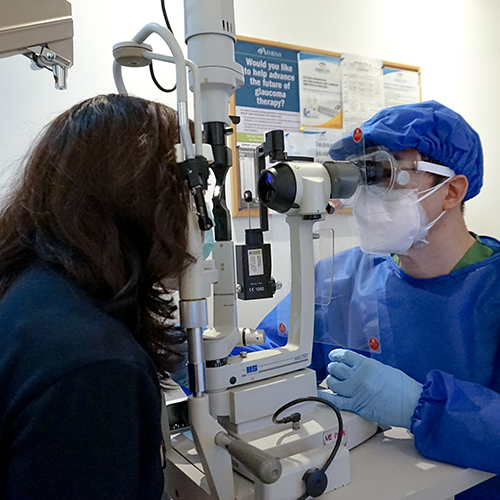
A cataract screening is needed before undergoing the surgery. Dr. Leuenberger explains, “We consider a lot factors before doing the surgery. First, we need to determine the type and extent of the cataract, so we can recommend the intraocular lens (IOL) that is appropriate for the patient’s eye condition and their lifestyle. We also need to examine their overall eye condition and see if they have other eye problems that may be interfering their vision.”
There are different types of IOLs available. These include the monofocal IOLs that provide the best possible vision at one distance, multifocal and accommodative IOLs that can correct vision at all distances, and toric IOLs to correct significant astigmatism.
Asian Eye Institute has clinics in Rockwell Makati, Trinoma, Mall of Asia and Commercenter Alabang. For inquiries or appointment, or to learn more about cataracts and IOLs, call us at 8-898-2020 or email [email protected].
We deliver to all our patients the highest quality eye care on a par with the best in the world. We make high-quality eye care available and accessible to the Filipinos. We advance the science and practice of ophthalmology and optometry in Asia and the Pacific Rim.
HELPFUL LINKS
CONTACT US
0917-181-2020 /
0917-191-2020
(02) 8-898-2020
Monday – Friday
8:00 A.M to 5:00 P.M