(02) 8-898-2020

Uveitis

Early diagnosis and treatment are needed in managing uveitis and maintaining optimal vision. Trust in our experts here at Asian Eye Institute.

Expert Treatment for Uveitis:
Request Help From Us at Asian Eye Institute

At Asian Eye Institute, we prioritize our patients’ vision. Our commitment extends to providing comprehensive diagnoses and treatments for uveitis, an inflammatory eye condition that can significantly impact eyesight and eye health. We have experienced eye specialists and cutting-edge facilities, so we are confident we can help you.

What Is Uveitis?

Uveitis is characterized by the inflammation of the uvea, the layer behind the white part of the eye. It can be categorized into different types, particularly:

  • Iritis – inflammation of the iris, the colored part of the eye
  • Intermediate Uveitis – inflammation of the ciliary body, located between the iris and the lens
  • Retinitis or Choroiditis – inflammation of the retina and choroid, the inner layers of the eye
  • Vasculitis – inflammation of the blood vessels in the eye

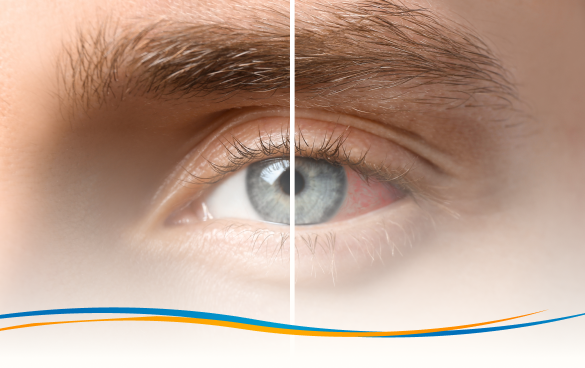
Symptoms of uveitis include eye redness, eye pain, light sensitivity, glare, hypopyon (white area in the lower part of the iris), and blurred vision. People with uveitis typically also see tiny spots or cobweb-like strings in their field of vision.

How Do You Treat Uveitis?

Failure to treat uveitis can lead to complications, like glaucoma, cataracts, and retinal detachment. In the worst cases, it can lead to blindness. Fortunately, there are several treatment options for patients, including:

  • Corticosteroids – These medications disrupt the normal function of the immune system and prevent it from releasing chemicals that cause inflammation.
  • Non-Steroidal Anti-Inflammatory Drugs – NSAIDs or over-the-counter pain relievers like ibuprofen and aspirin can help manage mild inflammation.
  • Antibiotics or Antiviral Medications – If an infection is the cause, doctors will prescribe antibiotics or antiviral medications.
  • Immunosuppressive Drugs or Cytotoxic Medication – In severe cases, medications that suppress the immune system may be necessary.
  • Intravitreal Injections – Medication will be injected directly into the eye to help reduce inflammation, especially in severe cases of uveitis.
  • Laser Treatment or Surgical Procedures – In severe cases, a laser procedure called vitrectomy is performed to remove a portion of the entire vitreous humor.

Keep in mind that even after treatment, uveitis can still recur. This is why patients are advised to get annual eye checkups from their doctor.

Other Topics That You Might Like

Dry Eye Syndrome

Dry eye syndrome is quite common. It is characterized by the insufficient production of tears, leading to discomfort and potential vision problems. Tears keep your eyes moist and wash away dust, reducing the risk of eye infection. Its symptoms include eye dryness and redness, sometimes accompanied by a burning or itching sensation. In other cases, they lead to sensitivity to light and even blurred vision.

Refractive Errors

Refractive errors are often caused by abnormalities in the eye’s shape, affecting how light is focused onto the retina. They come in many forms, including astigmatism, nearsightedness, and farsightedness. Left untreated, they can lead to symptoms like blurred vision and eye strain, causing difficulties in performing day-to-day tasks like reading or driving.

Blepharitis

Blepharitis refers to chronic inflammation of the eyelids. It is often caused by bacterial infection or other related factors and can lead to redness, irritation, and itching. This condition can be classified as anterior blepharitis (affecting the outer eyelids) and posterior blepharitis (affecting the inner eyelids).

Set an In-Person Appointment

Book a Teleconsultation

Find Our Clinics

Privacy Policy

Asian Eye Institute Inc., including its affiliates and subsidiaries place a premium on the confidentiality of personal data.
Please read the Asian Eye Institute Privacy Policy to understand how Asian Eye uses and protects your cookies and personal data in accordance with the Data Privacy Act of 2012, its Implementing Rules and Regulations, other issuance of National Privacy Commission, and other relevant laws of the Philippines.
By continued use, you accept our use of cookies and agree to our privacy policy.